Showing posts with label chipper shredder. Show all posts

Sunday, 6 April 2025

Homeowners Use Wood Chipper’s Differently


A wood chipper can be an invaluable tool for managing yard waste, processing fallen branches, and creating mulch for landscaping. But how often do different types of homeowners actually need a wood chipper? That depends on the size of the property, the amount of tree cover, and the homeowner’s approach to land maintenance. Let’s examine three different types of homeowners and how frequently they might use a wood chipper.

The Suburban Homeowner with Less Than 1 Acre

For suburban homeowners with small to mid-sized lots, trees may be limited to a few ornamental varieties, along with shrubs and bushes that require seasonal trimming. While a wood chipper isn’t an everyday necessity, it can come in handy during storm cleanup or after major pruning sessions. A small wood chipper for branches is perfect for this type of homeowner, as it can easily process small limbs and yard debris into mulch or compost material.

How a suburban homeowner might use a wood chipper:

* After seasonal tree trimming and hedge pruning
* Cleaning up fallen branches after a storm
* Mulching leaves and small limbs for garden beds

Since suburban homeowners may not use a wood chipper frequently, renting a chipper from a local equipment rental company is often a cost-effective option.

The Outdoor Gardening Enthusiast with a Few Acres

Homeowners with a few acres often have larger trees, more extensive landscaping, and possibly even a small orchard or tree-lined driveway. For these individuals, a wood chipper is a more practical investment, as maintaining multiple trees and managing seasonal yard waste becomes a bigger task. A chipper shredder for sale would be a great investment for those who regularly generate significant amounts of organic waste.

How a gardening enthusiast might use a wood chipper:

* Turning tree trimmings into mulch for garden beds
* Composting chipped material to enrich the soil
* Reducing the size of fallen branches for easier disposal

Homeowners in this category might rent a chipper on an as-needed basis but could also benefit from purchasing a mid-range chipper shredder for ongoing use.

The Rural Property Owner with Wooded Acreage

For homeowners living on large rural properties, maintaining the land requires significant effort. With wooded acreage, fallen branches, storm debris, and ongoing land clearing can be a regular occurrence. A PTO wood chipper for a tractor is a great solution for those who need a high-powered, durable machine capable of processing large volumes of wood.

How a rural homeowner might use a wood chipper:

* Clearing wooded areas for trails, fencing, or expansion
* Processing fallen trees into wood chips for use on paths and driveways
* Managing storm damage by chipping large branches instead of hauling them away

For these homeowners, purchasing a 3-point wood chipper for sale would likely be a wise investment, as it provides the necessary power and efficiency for ongoing land management.

What is a PTO-Driven Wood Chipper?

A PTO (Power Take-Off) wood chipper is a machine designed to be powered by the PTO shaft of a tractor. This type of chipper is ideal for rural landowners, farmers, and those with large properties, as it allows them to handle substantial amounts of wood waste efficiently. Unlike standalone chippers with gas or electric engines, PTO wood chippers draw power directly from the tractor, making them more powerful and capable of handling larger branches and logs.

Should You Rent or Buy a Wood Chipper?

Choosing between renting or buying a wood chipper depends on how often you’ll need to use one.

* Renting a wood chipper makes sense for suburban homeowners who only require one for occasional use, such as after a storm or during fall cleanup.
* Buying a chipper shredder is a smart choice for those who regularly maintain a large yard or small acreage.
* Investing in a PTO-driven chipper is best for rural landowners who frequently clear land and manage heavy wood debris.

Wood chippers are an essential tool for managing yard and land debris, but the type of chipper and the frequency of use depend on the homeowner’s needs. Many of these machines are available for rent at local equipment rental companies, making them accessible for homeowners who only need them occasionally. However, for those who need a wood chipper frequently, investing in the right equipment ensures efficiency and long-term cost savings. Whether you choose to rent or buy, selecting the proper wood chipper for your property size and maintenance needs is key to keeping your land looking its best.

Read more ...

Saturday, 15 March 2025

Is Peat Moss Good to Till into Your Garden Soil?

Gardeners in Southeastern Pennsylvania often look for ways to improve their soil quality for healthier flowers and shrubbery. One common question is whether peat moss is a good additive to mix into existing garden soil. The answer is yes—peat moss can enhance soil structure by improving aeration, water retention, and drainage. However, it should be used in combination with other soil amendments to create an ideal growing environment.

Best Soil Additives for Southeastern Pennsylvania Gardens

For a thriving flower and shrubbery garden, consider incorporating the following soil additives:

  • Peat Moss: Improves soil aeration and moisture retention but does not add nutrients.
  • Compost: Provides essential organic matter and nutrients.
  • Aged Manure: Enhances soil fertility and microbial activity.
  • Perlite or Vermiculite: Helps with drainage and prevents soil compaction.
  • Lime or Sulfur: Adjusts soil pH levels based on plant requirements.

The Ideal Soil Mix Ratio

At the beginning of each growing season, refreshing your garden soil with the right blend of additives is essential. A recommended mixture for a typical flower and shrubbery garden includes:

  • 50% Topsoil: Provides structure and nutrients.
  • 25% Compost: Boosts organic matter and microbial life.
  • 15% Peat Moss: Enhances moisture control and aeration.
  • 10% Sand or Perlite: Improves drainage in heavier soils.

Shrubs That Prefer Slightly Acidic Soil

Many plants thrive in slightly acidic soil (pH 5.5-6.5). Here are three shrubs that do well in lower pH environments:

  1. Azaleas – These colorful flowering shrubs prefer well-draining, acidic soil.
  2. Rhododendrons – Like azaleas, they need a slightly acidic environment to flourish.
  3. Blueberries – While technically a fruiting plant, blueberry bushes thrive in acidic soil and make great ornamental additions to a landscape.

Best Ways to Mix Soil Enhancers

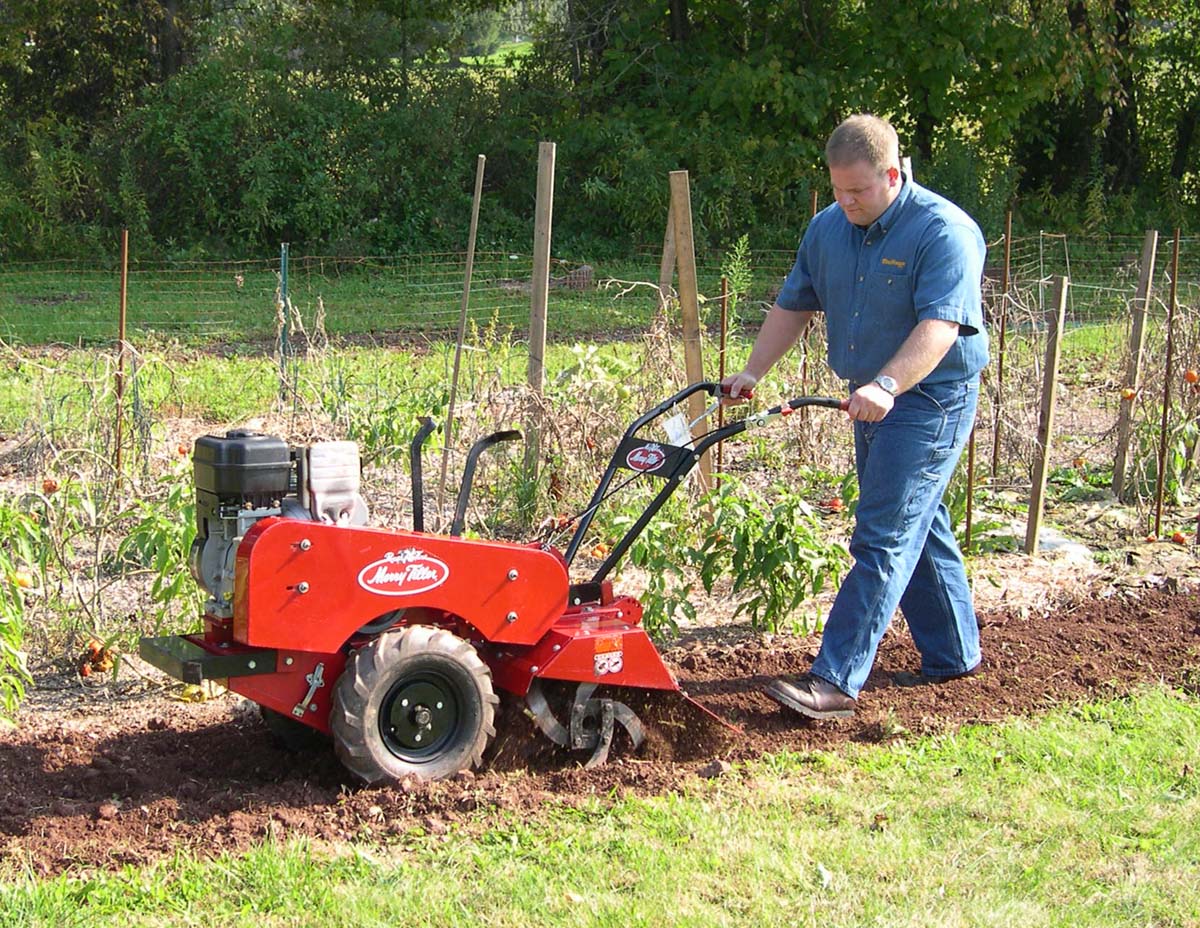
To evenly distribute soil amendments, consider using a small rototiller. These machines make mixing additives like peat moss, compost, and topsoil much easier and more effective than manual labor. The best garden tiller for small gardens is a tiller cultivator called Minnie. This mid-tine tiller has an 18-inch tilling width, making it highly maneuverable in tight spaces. Minnie is perfect for flower beds and small garden plots where control and precision are needed.

When to Use a Rear Tine Rototiller

For larger gardens and small fields, a rear tine tiller is a better choice. These tillers are designed for breaking new ground and digging deeper into the soil, reaching depths of 7 inches or more. They are ideal for:

  • Expanding a vegetable garden
  • Preparing a new lawn area
  • Breaking through compacted soil

While rear tine tillers are powerful, they are not as easy to maneuver as a tiller cultivator like Minnie. Therefore, they are best suited for larger plots where deep tilling is necessary.

Clearing Overgrowth and Managing Invasive Plants

Sometimes, before you can even begin soil preparation, you need to clear away brush, weeds, and overgrown vegetation. A chipper shredder for sale can be a valuable tool for breaking down garden debris into mulch, which can then be used as an organic ground cover. These machines efficiently turn branches, twigs, and leaves into useful mulch, reducing waste and improving soil health.

Where Are Garden Equipment Brands Manufactured?

If you are looking for reliable, American-made outdoor power equipment, consider the following brands:

  • MacKissic Outdoor Power Equipment – Made in Pennsylvania.
  • Honda Tillers – Manufactured in North Carolina, Ohio, and Japan.
  • Most other brands – Produced in China or outside the United States.

Renting vs. Buying Garden Equipment

If you only need a tiller or chipper shredder for occasional use, consider renting equipment from your local rental company. However, investing in the best garden tiller for small gardens, a rear tine tiller, or a chipper shredder for sale can be a wise decision for those who frequently maintain their landscapes. Having the right tools on hand ensures efficiency and long-term cost savings, allowing you to manage your garden with ease and precision.

Read more ...