Showing posts with label MAC. Show all posts

Sunday, 5 October 2025

Why Natural Leaf Composting is One of the Best Gifts You Can Give Your Garden

Every fall, homeowners across the country are faced with the same dilemma: what to do with the mountains of leaves carpeting their lawns. For some, the instinct is to bag them up and drag them to the curb. But forward-thinking gardeners know those leaves are not waste, they’re a valuable resource. Proper leaf composting, when paired with the right tools, transforms yard debris into a nutrient-rich soil amendment that strengthens your gardens for seasons to come.

The Benefits of Leaf Composting

Leaves are nature’s fertilizer. As they break down, they release essential elements such as nitrogen, potassium, and phosphorus into the soil. These nutrients feed beneficial microbes and earthworms, which in turn improve soil aeration and fertility. Leaf mulch also helps retain soil moisture, suppress weeds, and regulate soil temperature.

Unlike synthetic fertilizers, compost derived from leaves works slowly and steadily, providing long-term soil health. It balances pH, enhances soil structure, and increases the organic matter content that plants crave. Whether you’re nurturing vegetable beds, ornamental gardens, or young trees, composted leaves provide a foundation for sustainable growth.

Winterization: Why It Matters

Winterization is the process of preparing your garden for the cold months ahead. This includes protecting perennials, insulating root systems, and enriching soil with organic matter before frost sets in. Leaf mulch plays an important role in this effort. A blanket of shredded leaves applied around plants acts as natural insulation, buffering roots against extreme temperature swings.

By spring, much of that mulch has already started decomposing, delivering nutrients directly into the soil just when new growth is beginning. Without this step, exposed soil can erode, dry out, or become compacted, leaving your garden stressed when it should be thriving.

Shredding vs. Bagging: A Smarter Way Forward

While it may be tempting to bag up leaves for disposal, shredding them is far more beneficial. Whole leaves tend to mat together, forming layers that block water and air from reaching the soil. By running them through a leaf shredder chipper, you reduce their size dramatically, creating a fine mulch that decomposes more quickly and evenly.

This fall, instead of dragging heavy bags to the curb, consider investing in a leaf shredder machine for homeowners. It’s a practical long-term solution that not only reduces yard waste but also feeds your soil year after year.

Don’t Forget About Small Limbs and Branches

In addition to leaves, small branches and twigs are another overlooked resource. Chipped wood makes excellent mulch for pathways, tree rings, and erosion control. Feeding these limbs into a mulcher chipper for sale at your local equipment dealer is an efficient way to turn what would otherwise be discarded into something useful. Together, shredded leaves and wood chips provide a sustainable cycle of nutrients that keeps your yard thriving.

Trusted Yard Equipment Manufacturers

When you’re ready to purchase a shredder or mulcher, it’s worth considering brands that have proven themselves in the American market. Here are five manufacturers brands that produce quality equipment sold widely in the U.S.:

1. Mighty Mac – A respected name known for durability and performance, especially popular among homeowners who want machines built to last.
2. Troy-Bilt – Offers versatile, affordable shredders and chippers for home landscapes.
3. Patriot Products – Specializes in electric and gas-powered chipper shredders with a focus on ease of use.
4. DR Power Equipment – Known for rugged outdoor machines designed to handle heavy-duty yard work.
5. Earthquake – Provides reliable chipper shredders aimed at homeowners and small property owners.

It’s also worth mentioning that there are several yard equipment manufacturers in PA, a state with a rich tradition of building reliable agricultural and landscaping machinery. Many of these companies emphasize American craftsmanship and are trusted by homeowners and professionals alike.

Why Buy American-Made Machines?

In today’s global marketplace, it can be tempting to opt for imported equipment based solely on price. But machines made in the USA often follow stricter quality controls and are engineered for longevity. Parts and service support are also easier to find, which means less downtime when you need your equipment most.

By choosing American-made products, you’re not just buying a tool—you’re investing in local jobs, stronger communities, and the continuation of American manufacturing excellence. Supporting companies that prioritize quality over shortcuts helps ensure that future generations will continue to enjoy products made to the highest standards.

This fall, think of your leaves not as a chore, but as an opportunity. By composting them with the help of a shredder or chipper, you’ll enrich your soil, protect your garden through the winter, and reduce waste. Add in the benefits of turning small limbs into mulch, and you’ve got a complete system for maintaining a healthier, more resilient yard.

When the time comes to invest in equipment, remember that American-made machines from trusted manufacturers such as Mighty Mac, Troy-Bilt, Patriot, DR Power, and Earthquake are built to deliver season after season. Buying American supports more than just your garden—it supports the American way of life.

Read more ...

Tuesday, 9 September 2025

Heavy Duty Wood Chippers for Homeowners Who Want More


For many homeowners, keeping up with yard maintenance means more than mowing the grass. Branches, brush, and fallen limbs accumulate quickly, and a reliable wood chipper shredder is the best way to handle the job. Mighty Mac is a trusted name in American-made lawn and garden equipment, offering durable, high-performance machines built for homeowners who want professional results. With heavy-gauge steel construction, quality engines, and decades of proven design, Mighty Mac wood chippers are built to last.

Let’s take a closer look at four models designed for homeowners who want heavy duty equipment that works as hard as they do.

Model WC375: The Compact 7-Horsepower Chipper

For smaller properties, the entry-level Mighty Mac wood chipper provides excellent performance in a compact package. Powered by a 7-horsepower engine, this model is perfect for light-duty work like branches from pruning, storm clean-up, or seasonal yard debris. Despite its smaller size, it’s still constructed from the same tough American steel found in larger Mighty Mac models, ensuring strength and longevity. Homeowners who need an affordable yet reliable tool for everyday yard tasks will find this model easy to operate and maintain.

Model WC475: The 11.5-Horsepower Mid-Range Wood Chipper

When you step up to the 11.5-horsepower model, you’re entering a higher performance class. This machine is designed to handle larger branches and denser materials with ease. The added horsepower means faster chipping and the ability to power through tougher wood. This model is ideal for homeowners with larger properties or those who regularly deal with significant amounts of brush. The heavy-duty steel frame and hardened cutting blades ensure long-lasting performance, making it a dependable choice for serious property owners.

Model WC575: The 13.5-Horsepower Tow Behind Wood Chipper

For even bigger jobs, Mighty Mac offers a 13.5-horsepower model that can be hitched up to an ATV or lawn tractor. This tow behind wood chipper gives homeowners mobility and the power needed to tackle larger clean-up projects across acres of land. With its substantial engine, this model handles large branches and heavy workloads with ease. If you live on a wooded property or maintain multiple acres, this chipper provides professional-grade performance right at home.

Model THP475: The PTO Driven Wood Chipper

Unique in the Mighty Mac homeowner lineup is the PTO wood chipper for sale, which connects directly to the power take-off (PTO) of a compact tractor. PTO, or power take-off, is a system that transfers mechanical power from a tractor engine to an attached implement. By eliminating the need for its own engine, this model reduces maintenance while providing impressive chipping power. Homeowners who already own a tractor can take advantage of this efficient and highly durable machine to manage heavy brush and large limbs.

Built to Last: American Steel and Craftsmanship

One feature that sets Mighty Mac apart is its commitment to American-made quality. All four of the residential wood chipper models are built from heavy-gauge steel, designed to withstand years of use without bending, cracking, or breaking. Compared to many imported chippers manufactured in Asia or Mexico, American-made equipment offers superior durability, repairability, and long-term performance. For homeowners, this means fewer breakdowns, lower lifetime costs, and peace of mind knowing they’ve invested in a machine that won’t let them down.

For Landscapers: Commercial-Grade Options

While the homeowner line is impressive, Mighty Mac also builds larger commercial wood chipper models designed for landscapers and property managers. These commercial shredder chippers are engineered with extra-thick steel, reinforced cutting chambers, and higher horsepower engines. They’re capable of running day after day in demanding environments, making them the right choice for professionals who need rugged equipment that stands up to constant use.

Maintenance and Longevity

Another advantage of investing in an American-made wood chipper is the ability to maintain and repair it easily. Parts are readily available, and because these machines are built from heavy steel and name-brand engines, they’re designed for serviceability. Proper maintenance—such as keeping blades sharp, changing oil, and greasing bearings—ensures years of dependable use.

The Right Choice for Homeowners

Choosing the right wood chipper depends on the size of your property and the type of work you do most often. Smaller yards may only need a 4-horsepower model, while larger properties benefit from the 14-horsepower tow behind wood chipper. Tractor owners will find unmatched efficiency in the PTO model. Regardless of size, every Mighty Mac chipper is built with the same high-quality standards, making them a smart investment for property owners who want tools they can rely on.

Machines built in the United States continue to uphold a tradition of durability and dependability. When you buy lawn and garden equipment made in the USA, you’re not only getting a product manufactured to higher standards, you’re also supporting American jobs and the American way of life.

Read more ...

Wednesday, 13 August 2025

Taming Overgrown Trees, Shrubs, and Invasive Species


Overgrown trees, sprawling shrubs, and invasive species can quickly turn a once-tidy property into a tangled mess. Whether you’re a homeowner facing years of unchecked vegetation or a professional landscaper tackling dense brush and tree limbs on client properties, having the right tools makes all the difference. Getting this kind of growth under control requires more than just determination — it requires powerful, reliable equipment designed to cut, chip, and mulch through thick organic material.

When It’s Time to Clear the Chaos

Unchecked growth isn’t just unsightly, it can also damage structures, crowd out desirable plants, and create fire hazards. Invasive species like kudzu, multiflora rose, and Japanese knotweed are especially aggressive, choking out native plants and taking over landscapes in a single season. Tree saplings and thick vines can grow rapidly along fences, drainage areas, and building foundations. At a certain point, simple pruning shears and loppers just aren’t enough.

That’s when chippers, shredders, and mulching machines come into play.

Tools for Every User: Homeowners vs. Professionals

The type of equipment you choose will depend on the size of your property, the density of the vegetation, and how often you plan to use the machine.

For the average homeowner, a small wood chipper or combination chipper-shredder is often sufficient for occasional use. These machines can handle small limbs, brush, and yard waste, converting it into mulch or manageable chips. They’re ideal for residential properties where a few trees and hedges need seasonal attention.

A gas wood chipper in the homeowner class is usually more powerful than electric models and can handle branches up to 3 inches in diameter, depending on the brand. They’re great for clearing backyard debris after storms or for spring and fall cleanups.

On the other hand, professional landscapers or property managers dealing with extensive overgrowth, invasive brush, or large acreage often rely on commercial shredders and tow behind wood chippers. These heavy-duty machines are designed for continuous operation, larger wood diameters, and tougher conditions. Many commercial units can be towed behind a truck or trailer, making them easy to transport from job site to job site.

A Closer Look at Chippers, Shredders, and Mulchers

Let’s break down some of the most commonly used machines available today:

1. Wood Chippers

Wood chippers are designed to handle branches, limbs, and small logs. Depending on the model, they can reduce material into chips for mulching, composting, or disposal. Smaller models often include hopper-style designs and are powered by gas engines, while commercial units feature larger feed openings and hydraulic rollers for feeding heavy branches.

2. Shredders

Shredders excel at processing softer material like leaves, vines, and brush. They often use flails or blunt blades to break down fibrous material. Commercial shredders can process wet, stringy debris that would clog or damage a chipper. These machines are perfect for reclaiming land overtaken by invasive plant species or accumulated debris.

3. Mulching Machines

Some machines combine both chipping and shredding functions and include mulching capabilities, returning nutrient-rich material to the landscape. This is especially beneficial for gardeners and landscapers who want to recycle waste into useful ground cover or compost.

Additional Equipment to Consider

Don’t forget the importance of other lawn and garden equipment when tackling large cleanup jobs. Tools like chainsaws, brush cutters, and pole pruners complement chippers and shredders by handling tasks the machines can’t. Clearing the land often requires a coordinated effort using both handheld tools and powered equipment.

Choosing the Right Machine for the Job

  • * For homeowners: A small wood chipper with a gas engine is ideal for occasional yard cleanup. Look for models that are easy to start, have safety features, and can handle the type of wood you typically encounter.
  • * For professionals: A tow behind wood chipper offers mobility and power. Choose a model with a heavy-duty engine, hydraulic feed system, and the ability to process large-diameter branches. These machines are built to handle day-after-day demands.

Regardless of your level of experience, always follow safety protocols and read your owner’s manual thoroughly. Chippers and shredders are powerful machines, and mishandling them can result in serious injury.

Why American-Made Equipment Matters

As you weigh your options, consider buying from manufacturers who make their products in the USA. American-made machines are often held to higher manufacturing standards, use more durable materials, and are backed by stronger service and warranty support. More importantly, choosing products built domestically helps support local jobs, skilled trades, and American ingenuity.

By investing in American-made lawn and garden equipment, you’re not just clearing your land—you’re also contributing to a tradition of quality craftsmanship and strengthening the American economy.

Everyone Can Tame the Wild

Whether you’re battling back invasive brush on a large property or simply chipping up storm debris in your backyard, having the right machine for the job is essential. From compact gas wood chippers for residential use to rugged commercial shredders and tow behind wood chippers for heavy-duty work, today’s technology offers powerful tools to restore order to your landscape.

And when you pair those tools with high-quality metal components and American manufacturing, you get machines built to last. So take pride in reclaiming your land—because maintaining our outdoor spaces isn’t just about curb appeal; it’s about preserving the American way of life.

Read more ...

Wednesday, 9 July 2025

Types of Materials A Wood Chipper Can Process and What to Avoid

If you own a home with mature trees, maintain a large garden, or manage a rural property, a wood chipper or shredder can be one of the most useful tools in your arsenal. These machines are designed to break down yard waste into smaller, manageable pieces for composting, mulching, or disposal. But understanding what a wood chipper can — and cannot — process is essential to getting the most out of your equipment and ensuring safe operation.

Let’s start with the most obvious: tree branches. Most standard residential wood chippers can handle branches up to 2.5 inches in diameter. Higher-end models, especially tow behind wood chippers or 3 point wood chippers for sale for use with tractors, can tackle limbs up to 4 inches or more. However, not all machines are created equal, Even models with larger intake openings may struggle with especially dense hardwoods like oak or hickory. Always check your chipper’s specifications before attempting to feed it thicker or tougher materials.

Yard Waste and Garden Debris: More Than Just Sticks

Beyond branches, a good chipper or shredder is capable of handling a variety of smaller garden refuse. This includes:

* Twigs and small sticks: Ideal for mulching flower beds or walking paths.

* Leaves and pine needles: While too light for most chippers to process effectively, many combo units with a shredder function can handle these materials well.

* Pruned shrubbery: Woody stems from rose bushes, hydrangeas, and other landscaping plants can go through most shredders with ease.

During the fall or at the end of your growing season, garden cleanup becomes a priority. Luckily, many of the dead or spent plants from your vegetable garden are perfect candidates for shredding. Corn stalks, sunflower stems, dried tomato vines, and pepper plants are all biodegradable and break down faster when chipped into smaller pieces. Even expired composting material from your kitchen, like vegetable scraps or used coffee grounds — can be combined with shredded yard waste to improve the decomposition rate in your compost pile.

One surprising material that some small retail businesses process with their chipper is corrugated cardboard. When cut into manageable strips, it can be fed into some larger chippers and then more manageable for trash pick-ups. However, not all machines are designed to process paper-based materials, so test carefully and use discretion.

What You Should Never Put in a Wood Chipper

While the versatility of a chipper is impressive, there are some items that should never go through the blades. According to guidelines published by manufacturers like Woodland Mills, here are some key no-nos:

* Pressure-treated wood or painted lumber: These often contain chemicals that release toxins when chipped.

* Rocks and soil: These can dull or damage the blades instantly.

* Metal objects like nails, wire, or fencing: These present a serious safety risk and can destroy your machine.

* Soft or wet food waste: While biodegradable, these items can clog the machine and produce unpleasant odors.

* Large pieces of bamboo: Their stringy nature can jam the chipper and wrap around the shaft.

If in doubt, always err on the side of caution and read your equipment manual.

Types of Wood Chippers and Shredders

There is a wide range of options for homeowners and land managers when it comes to choosing the best wood chippers. The most common categories include:

* Electric chippers: Compact, lightweight, and best for small yards with limited debris.

* Gas powered wood chippers: More powerful and ideal for properties with frequent tree maintenance or garden waste. Many models include shredder hoppers for handling softer materials.

* Tow behind wood chippers: Designed to be towed by an ATV or lawn tractor, these are great for large properties or contractors needing portability.

* 3 point wood chipper: Designed for tractor mounting and can utilize the PTO drive of the tractor. Depending upon the tractor’s engine, these are among the most powerful models, capable of handling large branches and logs.

* Combination chipper/shredders: Useful for those who want to handle both woody and soft green materials with one machine.

When considering a purchase, it’s worth looking for yard equipment made in the USA, which often comes with better warranties, easier access to replacement parts, and higher manufacturing standards.

Safety and Smart Purchasing

Regardless of what kind of machine you buy or rent, safety should be your top priority. Always wear safety glasses, gloves, and hearing protection when operating a chipper. Make sure loose clothing is secured, and never reach into the hopper while the machine is running.

It’s also important to invest in quality. While it’s tempting to purchase outdoor power equipment based on price alone, poorly built machines can lead to more frequent repairs, safety risks, and lower performance. Instead, choose a well-reviewed, reliable gas powered wood chipper that matches the size and scope of your yard work.

The right machine will not only help you keep your property clean and compost pile rich — it will do so safely, efficiently, and for years to come.

Read more ...

Sunday, 1 June 2025

Spring Yard Clean-Up and Preparing Your Vegetable Garden


As the last traces of winter fade and the warmth of spring takes hold, it’s time to turn attention to the dreaded task of yard clean-up and preparing your vegetable gardens for the growing season. Whether you’re maintaining a small backyard plot or a larger homestead, a thorough clean-up sets the stage for healthy growth and productive harvests. These tasks get easier with the right power tools.

Clearing Out Invasive Plants and Overgrowth

Spring clean-up begins by reclaiming your landscape from invasive plants and overgrown vegetation that may have crept into unwanted areas over the winter. Removing aggressive weeds, cutting back overhanging limbs, and trimming dense brush not only improves the look of your yard but also creates room for your preferred plants to thrive.

Common tools for this kind of work include chainsaws, tree and landscape loppers, and wood chippers. Chainsaws make quick work of large branches or fallen limbs, while loppers are perfect for precision cuts on thick brush and small trees. But what to do with all that organic debris?

That’s where wood chippers come in—these machines convert brush, limbs, and small trees into mulch, which can then be reused in your landscape beds or compost pile.

Choosing the Right Wood Chipper

There are two main types of wood chippers worth highlighting: the 3 point wood chipper and the gas powered wood chipper.

A 3 point wood chipper attaches to the rear of a tractor and draws power from the PTO (power take-off). This heavy-duty option is ideal for large properties or farms where you’re dealing with significant volumes of woody debris. If you see a 3 point wood chipper for sale and you already own a compact or utility tractor, it can be a worthwhile investment that pays off every season.

On the other hand, a gas powered wood chipper is a portable, standalone unit that’s great for residential use. It’s easier to maneuver into tight spaces and typically requires no more than a strong back to maneuver into position. These chippers handle branches up to a few inches in diameter and are well suited for everyday yard maintenance and seasonal clean-ups.

Many of today’s models are designed with quality and durability in mind, especially those built by companies boasting yard equipment made in the USA, where workmanship and long-term performance remain a priority.

Preparing Your Garden Soil

Once your yard is cleared and trimmed, your next task is preparing the soil for vegetable planting. Healthy gardens begin with healthy soil, which must be rich in nutrients, well-aerated, and capable of retaining just the right amount of moisture.

Start by assessing the texture and composition of your soil. Heavy clay soils tend to retain too much water, while sandy soils may drain too quickly. A great way to improve soil structure and nutrient content is by adding compost. Composting recycles organic waste—like leaves, grass clippings, and food scraps—into a dark, crumbly substance rich in nitrogen, phosphorus, and potassium, all of which are vital to plant growth.

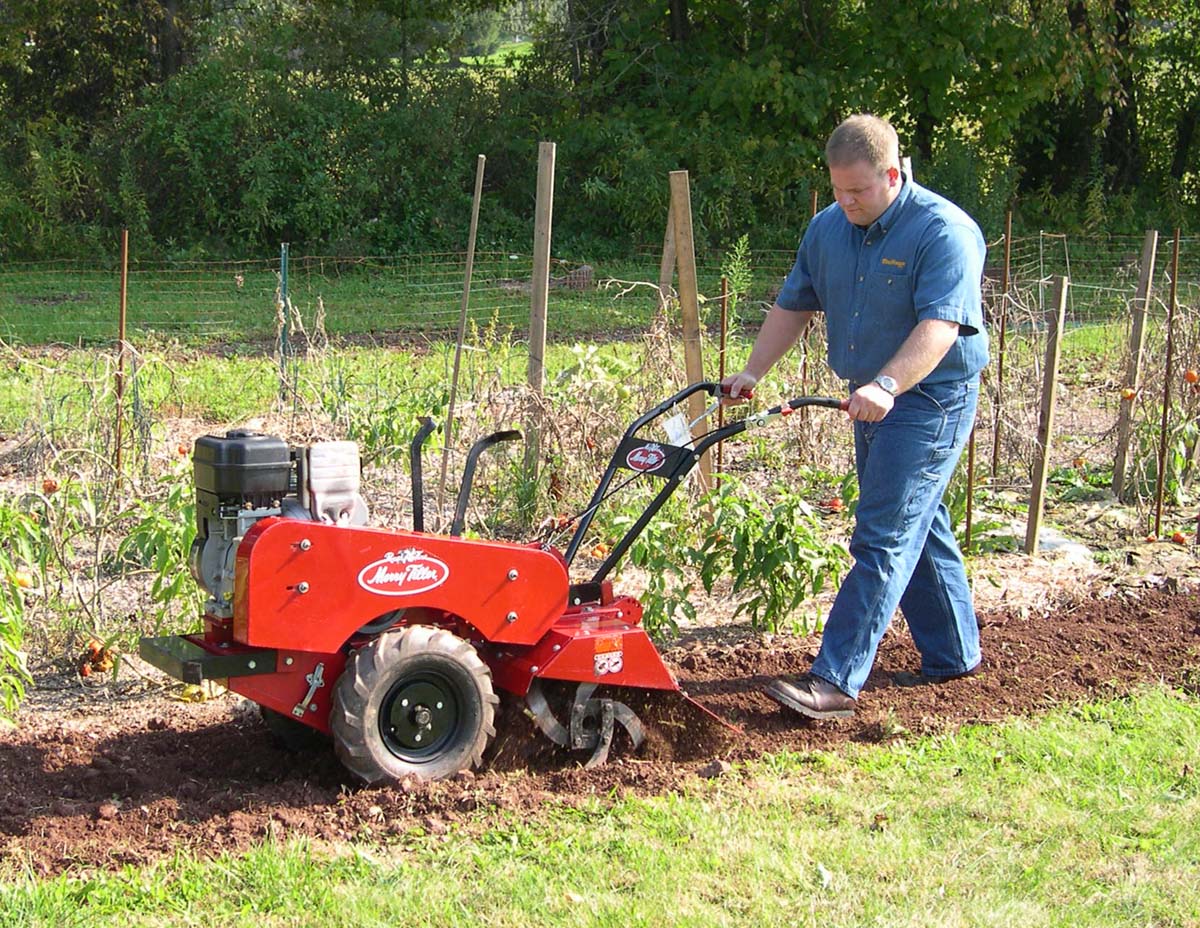
To mix compost into the soil efficiently, you’ll want to use a rototiller—a machine that churns up the soil, breaking it into a fine, plant-ready texture. There are a variety of garden rototillers come in a range of sizes and designs. For smaller plots, consider a roto tiller with a mid-tine design, which balances weight and control for easy handling. These models place the tines centrally beneath the engine, providing better maneuverability around tight garden beds.

Larger garden spaces may benefit from rear-tine tillers, which offer more traction and power, making them better suited for breaking new ground or dealing with hard-packed soil.

The Right Tools for the Job

As with any seasonal task, using the right equipment can make all the difference between an exhausting weekend and an efficient, rewarding experience. Whether you’re managing brush with a gas powered wood chipper, turning compost into your beds with a small garden tiller, or prepping a large plot with a large field tiller, having tools matched to your landscape’s size and needs is essential.

Some of these machines may not be worth owning outright—especially if your need is only seasonal. Fortunately, many of these tools are available for rent at local equipment rental companies, allowing you to get the job done without a major investment. That said, for frequent users or larger properties, purchasing high-quality equipment, especially durable yard equipment made in the USA—can be a smart long-term decision.

As you prepare for the growing season, remember that the success of your garden starts long before the first seeds are sown. Clearing invasive plants, chipping fallen limbs, and turning nutrient-rich compost into your soil lays the foundation for a productive and beautiful landscape. Choosing the right equipment will save you time and labor. Protect your investment in both tools and your land by selecting the right machines, using them correctly, and maintaining them well.

Read more ...

Wednesday, 21 May 2025

Tackle Tree Trimming and Yard Cleanup with the Right Tools


A well-maintained yard does more than boost curb appeal—it enhances your property’s safety, functionality, and value. Whether you’re clearing out overgrown areas, trimming back low-hanging branches, or simply keeping trees and foliage in check, routine residential land clearing is an important part of responsible homeownership. And while many people assume they need to hire a professional for this type of work, the truth is that with the right equipment, most homeowners can handle it themselves.

Why Residential Land Clearing Matters

Unchecked foliage, dead branches, and overgrown shrubs can pose a number of problems. They create fire hazards, invite pests, and block sunlight that could otherwise help lawns and garden beds flourish. In storm-prone areas, overhanging limbs are a particular danger—they can easily snap and cause damage to your home or vehicles.

Beyond safety, a clean and tidy yard simply looks better. It creates a more enjoyable outdoor space and reflects positively on your home’s overall care.

What You’ll Need to Get the Job Done

The good news is that power tools make the job far easier than it used to be. Most homeowners can clear and trim their property with a few key tools:

  • * Chain Saw: Ideal for cutting down small trees or large limbs. A gas-powered chain saw offers the power and mobility needed for more demanding cuts.
  • * Pruning Saw: Perfect for thinner branches and more delicate trimming where precision matters.
  • * Gas Powered Wood Chipper: After cutting limbs and removing brush, you’ll need a way to dispose of the debris. A gas powered wood chipper lets you convert limbs and sticks into manageable wood chips.
  • * Tow Behind Wood Chipper: If you have a large property or plan on tackling more substantial cleanup projects, a tow behind wood chipper offers higher capacity and convenience. These machines can be hitched to a vehicle and moved around your land with ease.
  • * Leaf Shredder Mulcher: This tool is ideal for turning leaves and small twigs into mulch, reducing the need to bag up and haul away yard waste. Many homeowners find it convenient to buy a leaf shredder mulcher online for home delivery.

The best part? These tools are now more accessible than ever. You can purchase many of them from home improvement stores or online retailers. For one-time or occasional use, most local equipment rental companies also stock these tools at reasonable daily or weekly rates.

Make Use of What You Cut

Once you’ve done the hard work of trimming branches, removing small trees, and cutting back shrubs, you’re left with a pile of organic material. Rather than bagging it all up and paying for disposal, consider recycling it right on-site.

This is where wood chipper shredder machines come in. A small wood chipper for branches is a great option for homeowners with moderate needs. These compact machines efficiently process limbs and twigs into chips that you can use for mulching flower beds, pathways, or composting. For larger projects, you might consider a commercial wood chipper shredder for sale or rent—a heavy-duty option that can handle thicker limbs and constant use.

Mulch isn’t just a convenient byproduct; it serves real purpose. It helps retain soil moisture, suppresses weed growth, and adds a clean, finished look to garden areas. By turning your yard waste into mulch, you’re not only cleaning up—you’re improving your landscape’s health and appearance.

When to Call in the Pros

While most land clearing and trimming tasks are manageable with a bit of effort and the right tools, there are exceptions. Projects involving extremely large trees, dangerous overhangs, or steep terrain might be best left to professionals. If you’re unsure of your ability to safely complete a job—or if the scope is simply too big for one or two people—it’s wise to call a licensed tree trimming service.

That said, many homeowners are pleasantly surprised by how much they can accomplish themselves. The key is preparation, caution, and having equipment that matches the scale of your job.

Getting the Right Equipment for Your Project

If you’re ready to tackle your own land clearing or tree trimming, remember that you don’t need to purchase every tool outright. Many rental centers offer hourly or daily use of tow behind wood chipper units, gas chain saws, or even commercial wood chipper shredder for sale options at discounted pricing if you decide to buy after trying.

For most routine tasks, investing in a reliable small wood chipper for branches or buying a gas powered wood chipper can be a smart move. A leaf shredder mulcher might be all you need to keep your garden beds clean and productive year-round.

Maintaining your property doesn’t always require you to hire professionals. With the right tools—and a bit of determination—most homeowners can clear, trim, and clean up their outdoor spaces efficiently and safely. Many machines you may need are available to rent locally or buy online. The key is to match your equipment to the scale of the job. Whether you’re clearing brush for the first time or looking to upgrade your yard tools, getting the right equipment will save time, reduce physical effort, and extend the beauty and health of your landscape.

Read more ...

Sunday, 6 April 2025

Homeowners Use Wood Chipper’s Differently


A wood chipper can be an invaluable tool for managing yard waste, processing fallen branches, and creating mulch for landscaping. But how often do different types of homeowners actually need a wood chipper? That depends on the size of the property, the amount of tree cover, and the homeowner’s approach to land maintenance. Let’s examine three different types of homeowners and how frequently they might use a wood chipper.

The Suburban Homeowner with Less Than 1 Acre

For suburban homeowners with small to mid-sized lots, trees may be limited to a few ornamental varieties, along with shrubs and bushes that require seasonal trimming. While a wood chipper isn’t an everyday necessity, it can come in handy during storm cleanup or after major pruning sessions. A small wood chipper for branches is perfect for this type of homeowner, as it can easily process small limbs and yard debris into mulch or compost material.

How a suburban homeowner might use a wood chipper:

* After seasonal tree trimming and hedge pruning
* Cleaning up fallen branches after a storm
* Mulching leaves and small limbs for garden beds

Since suburban homeowners may not use a wood chipper frequently, renting a chipper from a local equipment rental company is often a cost-effective option.

The Outdoor Gardening Enthusiast with a Few Acres

Homeowners with a few acres often have larger trees, more extensive landscaping, and possibly even a small orchard or tree-lined driveway. For these individuals, a wood chipper is a more practical investment, as maintaining multiple trees and managing seasonal yard waste becomes a bigger task. A chipper shredder for sale would be a great investment for those who regularly generate significant amounts of organic waste.

How a gardening enthusiast might use a wood chipper:

* Turning tree trimmings into mulch for garden beds
* Composting chipped material to enrich the soil
* Reducing the size of fallen branches for easier disposal

Homeowners in this category might rent a chipper on an as-needed basis but could also benefit from purchasing a mid-range chipper shredder for ongoing use.

The Rural Property Owner with Wooded Acreage

For homeowners living on large rural properties, maintaining the land requires significant effort. With wooded acreage, fallen branches, storm debris, and ongoing land clearing can be a regular occurrence. A PTO wood chipper for a tractor is a great solution for those who need a high-powered, durable machine capable of processing large volumes of wood.

How a rural homeowner might use a wood chipper:

* Clearing wooded areas for trails, fencing, or expansion
* Processing fallen trees into wood chips for use on paths and driveways
* Managing storm damage by chipping large branches instead of hauling them away

For these homeowners, purchasing a 3-point wood chipper for sale would likely be a wise investment, as it provides the necessary power and efficiency for ongoing land management.

What is a PTO-Driven Wood Chipper?

A PTO (Power Take-Off) wood chipper is a machine designed to be powered by the PTO shaft of a tractor. This type of chipper is ideal for rural landowners, farmers, and those with large properties, as it allows them to handle substantial amounts of wood waste efficiently. Unlike standalone chippers with gas or electric engines, PTO wood chippers draw power directly from the tractor, making them more powerful and capable of handling larger branches and logs.

Should You Rent or Buy a Wood Chipper?

Choosing between renting or buying a wood chipper depends on how often you’ll need to use one.

* Renting a wood chipper makes sense for suburban homeowners who only require one for occasional use, such as after a storm or during fall cleanup.
* Buying a chipper shredder is a smart choice for those who regularly maintain a large yard or small acreage.
* Investing in a PTO-driven chipper is best for rural landowners who frequently clear land and manage heavy wood debris.

Wood chippers are an essential tool for managing yard and land debris, but the type of chipper and the frequency of use depend on the homeowner’s needs. Many of these machines are available for rent at local equipment rental companies, making them accessible for homeowners who only need them occasionally. However, for those who need a wood chipper frequently, investing in the right equipment ensures efficiency and long-term cost savings. Whether you choose to rent or buy, selecting the proper wood chipper for your property size and maintenance needs is key to keeping your land looking its best.

Read more ...

Saturday, 15 March 2025

Is Peat Moss Good to Till into Your Garden Soil?

Gardeners in Southeastern Pennsylvania often look for ways to improve their soil quality for healthier flowers and shrubbery. One common question is whether peat moss is a good additive to mix into existing garden soil. The answer is yes—peat moss can enhance soil structure by improving aeration, water retention, and drainage. However, it should be used in combination with other soil amendments to create an ideal growing environment.

Best Soil Additives for Southeastern Pennsylvania Gardens

For a thriving flower and shrubbery garden, consider incorporating the following soil additives:

  • Peat Moss: Improves soil aeration and moisture retention but does not add nutrients.
  • Compost: Provides essential organic matter and nutrients.
  • Aged Manure: Enhances soil fertility and microbial activity.
  • Perlite or Vermiculite: Helps with drainage and prevents soil compaction.
  • Lime or Sulfur: Adjusts soil pH levels based on plant requirements.

The Ideal Soil Mix Ratio

At the beginning of each growing season, refreshing your garden soil with the right blend of additives is essential. A recommended mixture for a typical flower and shrubbery garden includes:

  • 50% Topsoil: Provides structure and nutrients.
  • 25% Compost: Boosts organic matter and microbial life.
  • 15% Peat Moss: Enhances moisture control and aeration.
  • 10% Sand or Perlite: Improves drainage in heavier soils.

Shrubs That Prefer Slightly Acidic Soil

Many plants thrive in slightly acidic soil (pH 5.5-6.5). Here are three shrubs that do well in lower pH environments:

  1. Azaleas – These colorful flowering shrubs prefer well-draining, acidic soil.
  2. Rhododendrons – Like azaleas, they need a slightly acidic environment to flourish.
  3. Blueberries – While technically a fruiting plant, blueberry bushes thrive in acidic soil and make great ornamental additions to a landscape.

Best Ways to Mix Soil Enhancers

To evenly distribute soil amendments, consider using a small rototiller. These machines make mixing additives like peat moss, compost, and topsoil much easier and more effective than manual labor. The best garden tiller for small gardens is a tiller cultivator called Minnie. This mid-tine tiller has an 18-inch tilling width, making it highly maneuverable in tight spaces. Minnie is perfect for flower beds and small garden plots where control and precision are needed.

When to Use a Rear Tine Rototiller

For larger gardens and small fields, a rear tine tiller is a better choice. These tillers are designed for breaking new ground and digging deeper into the soil, reaching depths of 7 inches or more. They are ideal for:

  • Expanding a vegetable garden
  • Preparing a new lawn area
  • Breaking through compacted soil

While rear tine tillers are powerful, they are not as easy to maneuver as a tiller cultivator like Minnie. Therefore, they are best suited for larger plots where deep tilling is necessary.

Clearing Overgrowth and Managing Invasive Plants

Sometimes, before you can even begin soil preparation, you need to clear away brush, weeds, and overgrown vegetation. A chipper shredder for sale can be a valuable tool for breaking down garden debris into mulch, which can then be used as an organic ground cover. These machines efficiently turn branches, twigs, and leaves into useful mulch, reducing waste and improving soil health.

Where Are Garden Equipment Brands Manufactured?

If you are looking for reliable, American-made outdoor power equipment, consider the following brands:

  • MacKissic Outdoor Power Equipment – Made in Pennsylvania.
  • Honda Tillers – Manufactured in North Carolina, Ohio, and Japan.
  • Most other brands – Produced in China or outside the United States.

Renting vs. Buying Garden Equipment

If you only need a tiller or chipper shredder for occasional use, consider renting equipment from your local rental company. However, investing in the best garden tiller for small gardens, a rear tine tiller, or a chipper shredder for sale can be a wise decision for those who frequently maintain their landscapes. Having the right tools on hand ensures efficiency and long-term cost savings, allowing you to manage your garden with ease and precision.

Read more ...